



Read more


Folding Electric Bikes Storage and Transport Guide
Folding e‑bikes are a brilliant solution for city dwellers, commuters and frequent travellers. Their compact design solves one of the biggest pain points of regular e‑bikes: limited storage space and tricky transportation. However, improper folding, storage or transit can damage frames, batteries and tyres. This guide covers best practices to keep your foldable e‑bike safe and long‑lasting.
How to Store Your Folding E‑Bike
Where you store your bike matters most for battery health.
First, always remove the battery if storing indoors for long periods. Store the battery in a cool, dry room, away from direct sunlight, rain and extreme hot or cold temperatures. Avoid leaving it locked outside overnight; moisture can corrode hinges, folding joints and electrical connectors.
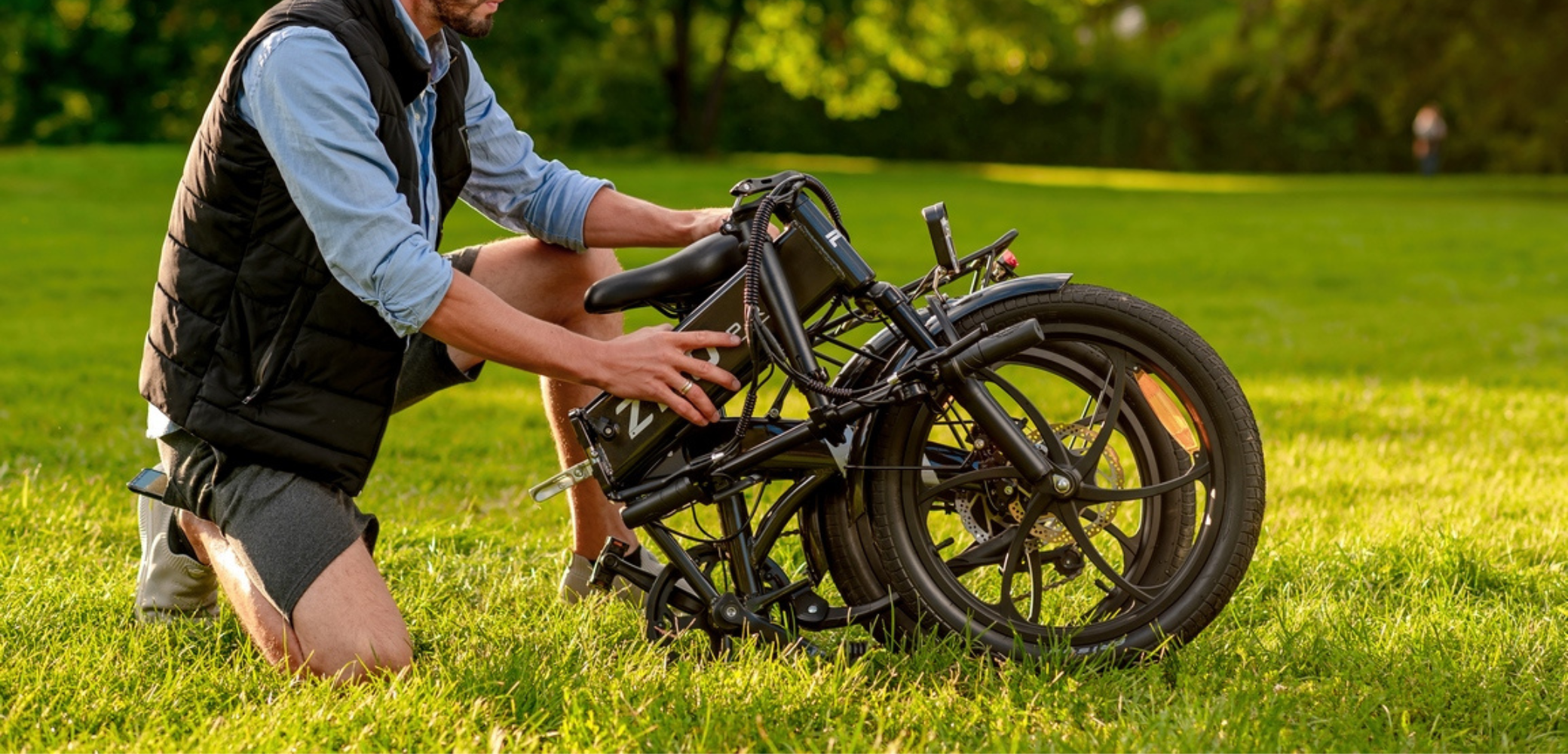
When folded, do not stack heavy items on top of the bike. Pressure can bend the frame or damage handlebars and saddle. If you store it upright, use a dedicated bike stand. For small apartments, tuck it into closets, under desks or in balcony corners — make sure folding latches are fully locked to prevent accidental collapse.
Check the charge level for long‑term storage: keep the battery around 40‑60% charged, rather than fully empty or 100% full. This extends overall battery lifespan.
Transport Tips: Cars, Trains & Public Transit
One huge advantage of folding ebikes is portability, but different transport modes have different rules.
Car travel: For SUVs, hatchbacks and saloon cars, fold the bike completely and place it in the boot. Protect the display screen and brake levers with soft cloths to avoid scratches. Avoid transporting the bike on an external rear rack without securing folding hinges tightly; vibration can loosen latches during driving. Remove the battery if your car boot gets very hot in summer.
Train & public transport: Most European trains and metro systems accept folded ebikes, while unfolded fullsize bikes face strict restrictions. Always doublecheck local operator rules for battery weight limits. Keep it folded when onboard, place it out of walkways and doorways to avoid blocking passenger flow.

Common Mistakes to Avoid
* Forgetting to lock folding latches fully before riding — this is a major safety hazard.
* Storing a wet folded bike: wipe down mud and rain water before folding, to stop rust on hinge points.
* Dragging the folded bike across floors: dragging can scratch frames and damage wheel hubs; lift it where possible.
* Overloading carrying bags: excess weight stresses hinges and frame joints.
Recommended Pick: PVY Z20 PRO EVO Folding E‑Bike
If you are shopping for a practical folding e‑bike built for easy storage and multi‑modal transport, the PVY Z20 PRO EVO stands out as a solid commuter‑focused option.
Crafted from lightweight 6061‑aluminium alloy, it folds in seconds into a compact footprint that fits neatly inside car boots, office corners or apartment closets, weighing only 22.5 kg for manageable lifting when catching trains or metros. Its reinforced folding latches deliver stable locking, reducing wobble both during rides and transit.
Factory‑fitted rear rack and mudguards remove the need for extra aftermarket accessories, ideal for riders who frequently combine cycling with public transport and car trips. Fully EN15194 certified, it meets European safety standards for daily urban use.
Final Thoughts
Folding e‑bikes shine because of their storage‑friendly, travel‑ready build. A few simple habits — correct folding, dry cool storage, battery care and respecting transport rules — will prevent avoidable damage. Whether you commute by train, drive to trailheads or live in a small apartment, your folding e‑bike will stay reliable for years with the right handling.